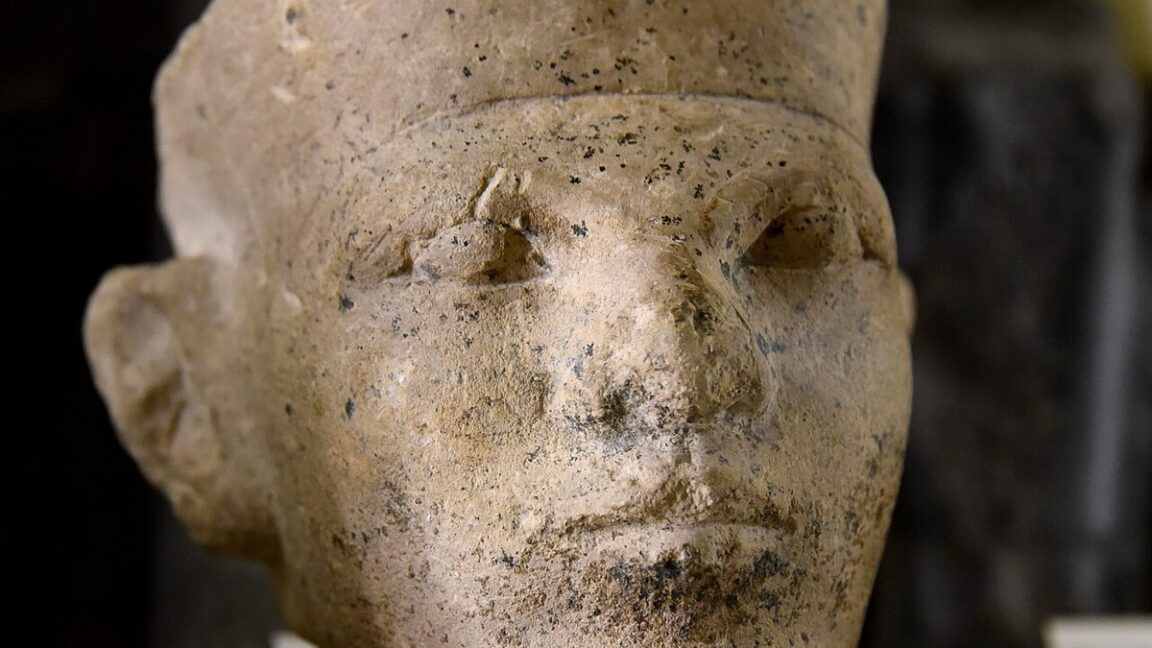
New forensic evidence supports Egyptian "retainer sacrifice"
Egyptologists have long debated whether the earliest pharoahs of the First Dynasty were buried with various servants and officials to serve them in the afterlife—a form of human sacrifice. But there is very little archaeological evidence available, given that many of the earliest Egyptian tombs were plundered and/or hastily excavated. A new paper published in the journal Frontiers in Environmental Archaeology reassesses a collection of skulls excavated from tombs in the 1920s and concludes that over one-third show evidence of blunt force trauma. This suggests that they may have been victims of so-called "retainer sacrifice."
Author Roselyn Campbell is a bioarchaeologist at Purdue University who has long been fascinated with the history of human sacrifice. "I'm interested in how we as human beings decide which types of violence are okay and which are not, and how we even define violence," Campbell told Ars. "It's very context specific. …
You're reading a preview. The full article is published by Ars Technica on their website.
Read the full story on Ars Technica