Ice sheet expansion may have started 2,000 years ago, but we canceled that
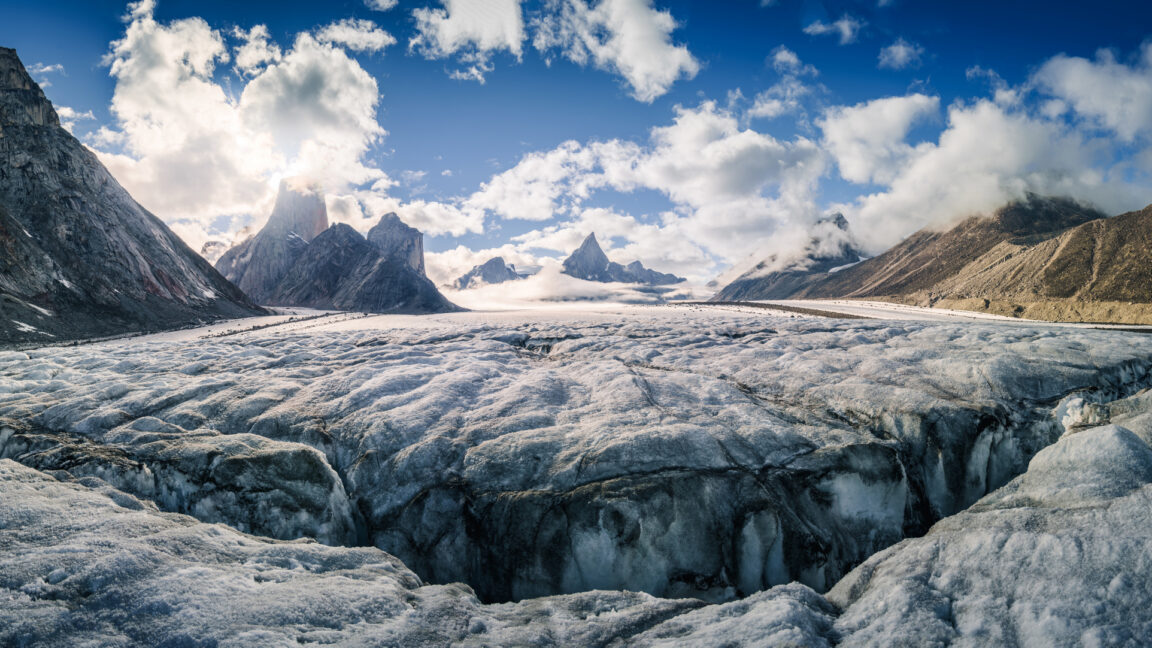
Barnes Ice Cap sits on the central plateau of Baffin Island, in the Canadian Arctic. It is the last surviving fragment of the Laurentide Ice Sheet, the largest of the Pleistocene ice sheets, which at its peak buried most of Canada under two miles of ice and locked away around 80 meters of sea level. That remnant has now yielded direct physical evidence that ice sheets might have reversed their retreat and started to grow again thousands of years ago.
In a recent Science study, researchers show that the Laurentide reached its smallest size about 3,600 years ago, then started re-expanding roughly 2,000 years ago, which the team interprets as the opening move of the next glaciation. Apparently, this brand-new ice age was on its way until about 1960, when human-caused climate warming reversed it.
“Barnes is the last remaining piece of one of the domes of the Laurentide Ice Sheet,” says Nicolás Young, a geologist at Columbia University's Lamont-Doherty …
You're reading a preview. The full article is published by Ars Technica on their website.
Read the full story on Ars Technica